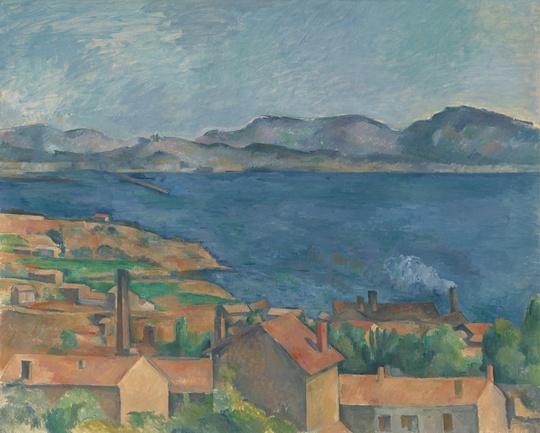
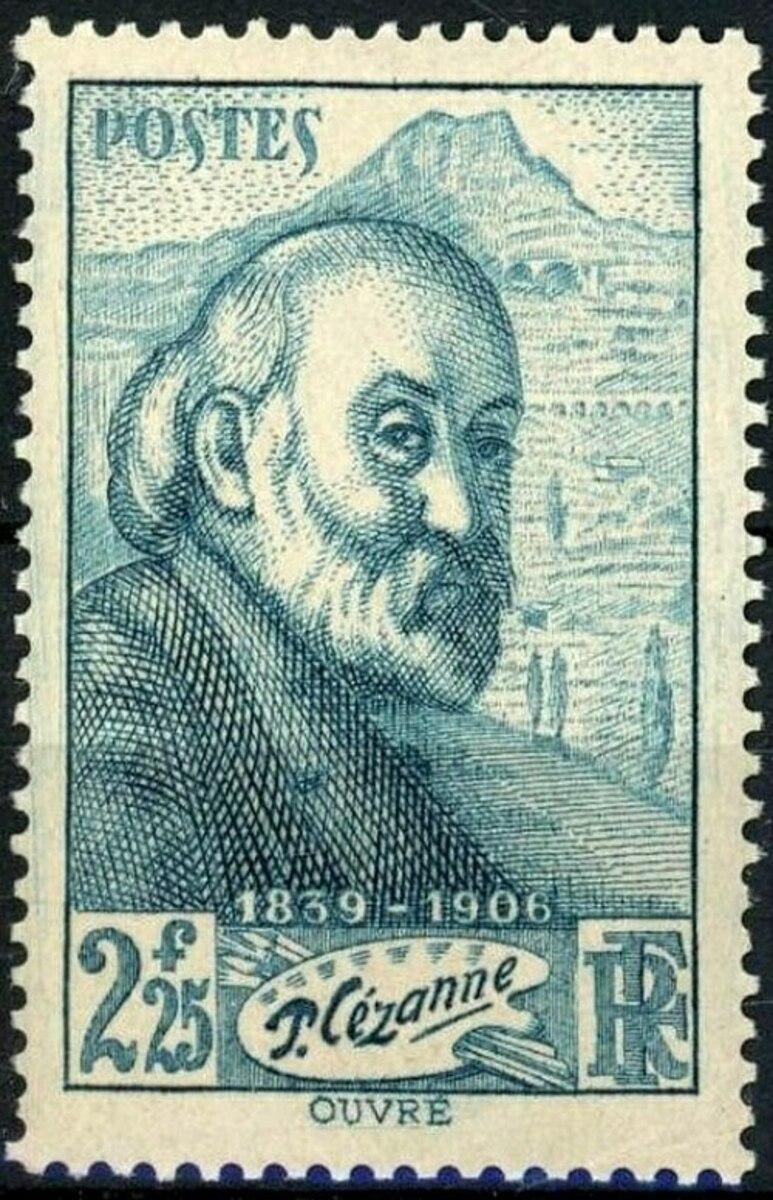
Paul Cézanne (19 January 1839 – 22 October 1906) was a French Post-Impressionist painter whose work introduced new modes of representation, influenced avant-garde artistic movements of the early 20th century and formed the bridge between late 19th-century Impressionism and early 20th-century Cubism. While his early works were influenced by Romanticism—such as the murals in the Jas de Bouffan country house—and Realism, Cézanne arrived at a new pictorial language through intense examination of Impressionist forms of expression. He altered conventional approaches to perspective and broke established rules of academic art by emphasizing the underlying structure of objects in a composition and the formal qualities of art. Cézanne strived for a renewal of traditional design methods on the basis of the impressionistic colour space and colour modulation principles.